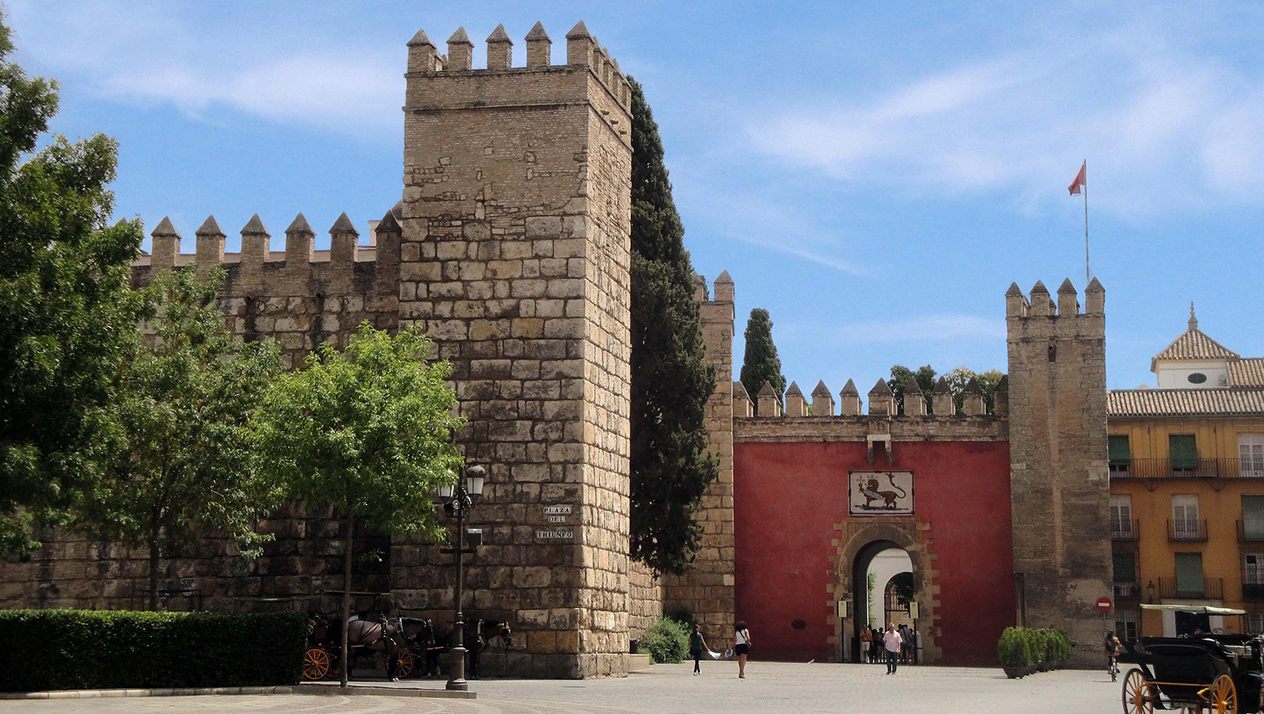
If you're going to Seville, you'll want to make sure you see more than just the top attractions advertised on all the major travel websites. Here are seven lesser-known alternatives worth seeking out.
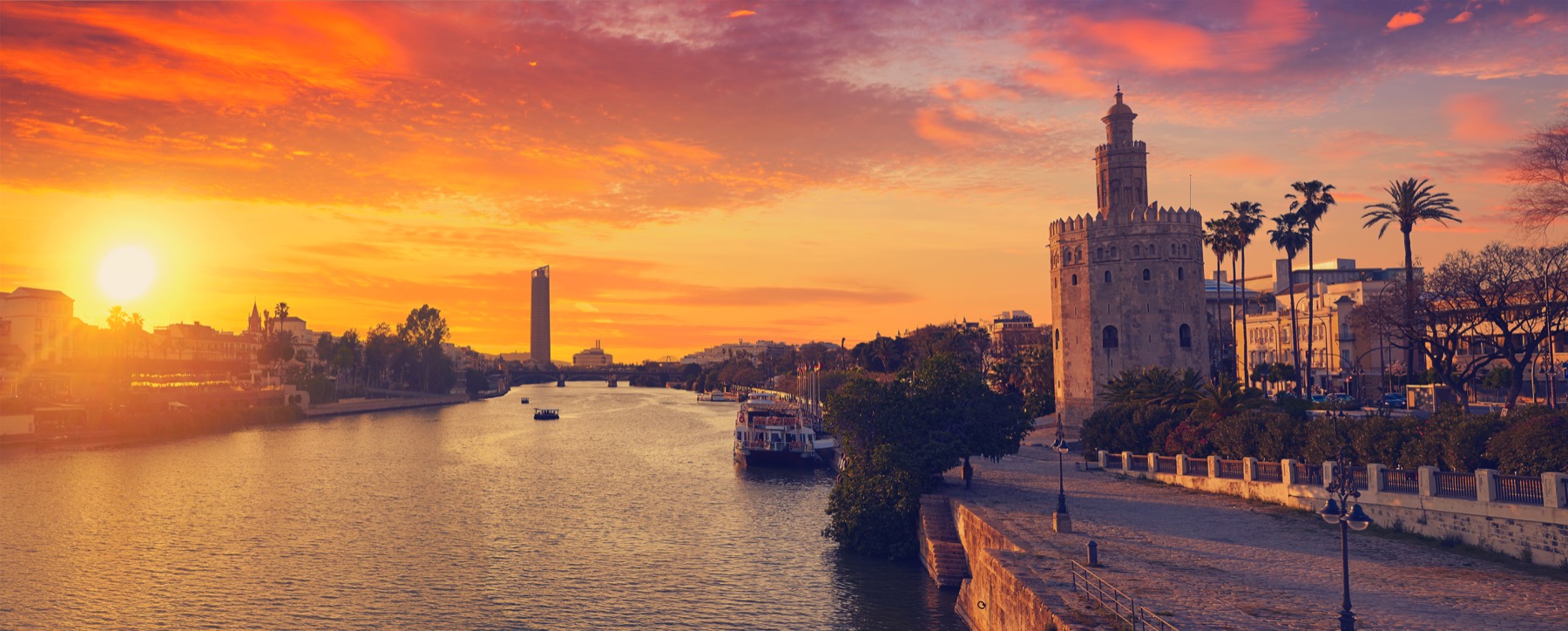
Beyond the well-trodden Santa Cruz district, Triana offers an authentic local experience. This historic quarter on the left bank of the Guadalquivir River is known for its flamenco culture, tile production and several well-known bars and eateries. Explore the Triana Market, the Santa Ana Pottery Factory, the Church of Santa Ana, and Inquisition Alley for afternoon sun views.
Seven convents throughout Seville sell traditional sweets made from centuries-old recipes. The Convent of San Leandro offers yemas (egg yolk and sugar confections), while Santa Paula produces jellies and jams in many flavours — including floral jelly candies made from rose, jasmine and orange blossoms.
This semi-circular plaza with decorated ceilings and a fountain provides a quieter alternative to Plaza de España, accessible through a passage near the Cathedral. It's particularly worth visiting on sunny days or Sundays.
Beyond traditional flamenco, Seville hosts diverse musical performances in the Macarena and Alfalfa neighbourhoods. The publication Yuzin lists monthly cultural events around Seville and Granada.
This 16th-century palace and gardens showcases Mudéjar architecture blended with Renaissance elements. Notable features include the Chapel of Flagellation and the city's first private house staircase with an impressive dome. EU citizens receive free entry on Wednesdays.
Located in the Old Jewish Quarter, this former charity hospital houses paintings by Spanish Golden Age masters including Diego Velázquez. It contains 12 works of art in its permanent collection, in a small and hushed room.
At Plaza de Santa Cruz, a distinctly thin dwelling wedged between a restaurant and another house presents an intriguing architectural oddity that challenges visitors to theorise about its origins.